NASA Competition Invites Students to Help Imagine a Future Enabled by Lunar Technologies
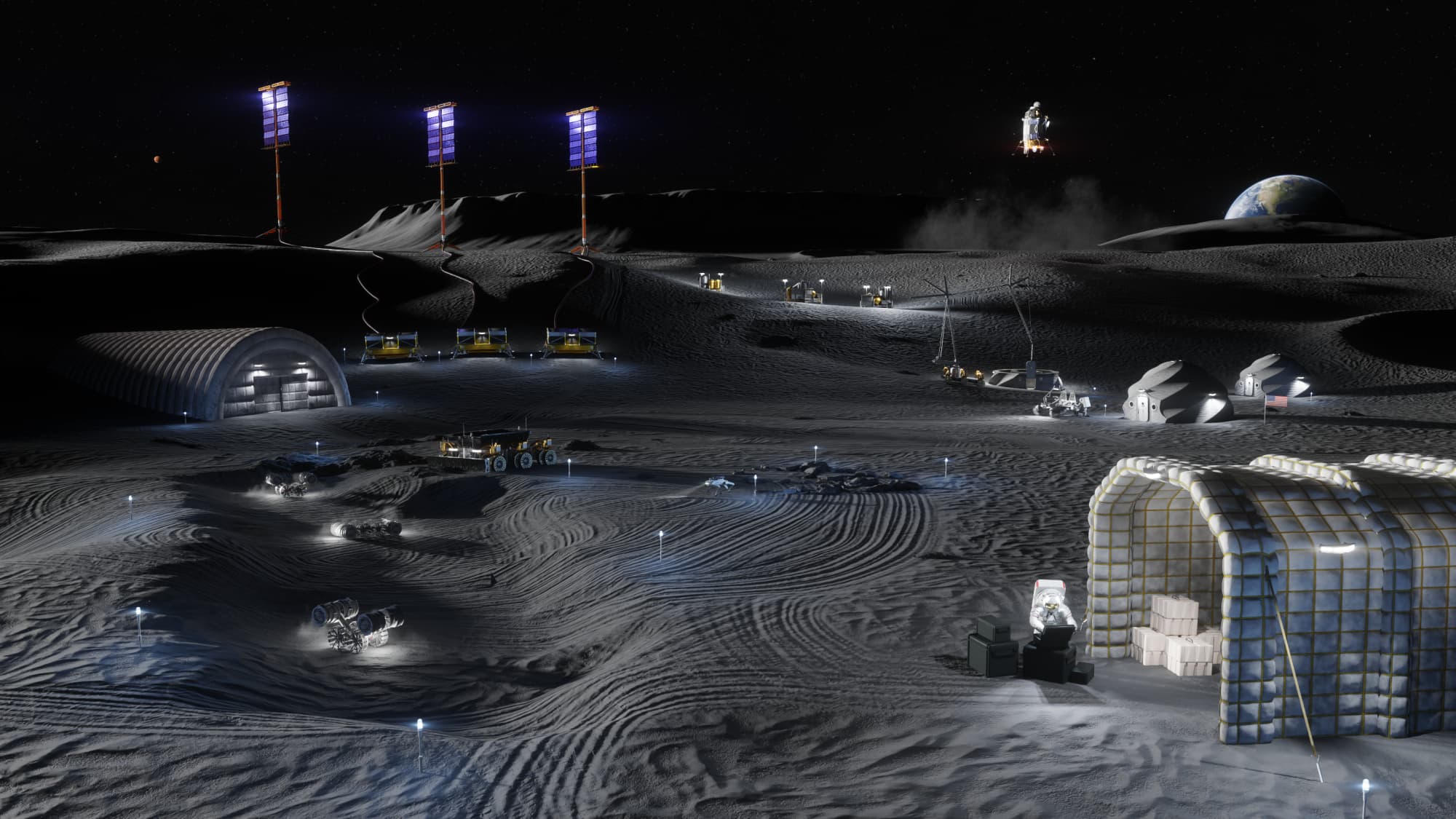
NASA is asking U.S.-based collegiate teams to submit bold, original concepts to the 2027 edition of a student challenge focused on aerospace
NASA is asking U.S.-based collegiate teams to submit bold, original concepts to the 2027 edition of a student challenge focused on aerospace innovation that could help the agency envision a future on the Moon shaped by new technology.
The latest NASA Revolutionary Aerospace Systems Concepts – Academic Linkage (RASC-AL) competition invites student teams to explore new operations paradigms and advance the technologies needed to support sustained operations in the lunar South Pole region.
“This competition showcases the technical excellence and creativity of the next generation of explorers and innovators,” said Chris Jones, chief technologist, Systems Analysis and Concepts Directorate, NASA’s Langley Research Center in Hampton, Virginia. “The concepts students develop through RASC-AL demonstrate exceptional talent and contribute to the body of work that advances NASA’s missions.”
Since 2002, the annual RASC-AL competition has helped foster aerospace concepts, technology, and prototyping by making connections among universities, NASA, and industry. This year’s competition includes themes ranging from the development of concepts to support prospecting in the permanently shadowed regions of lunar craters to the advancement of critical and expandable infrastructure for future astronauts.
“NASA’s RASC-AL competition connects top university researchers with the agency’s technology and engineering challenges,” said Gabe Merrill, acting cross-program integration lead for the Advanced Research and Technology Division in NASA’s Research and Technology Mission Directorate. “By asking student innovators to design concepts for what our future on the Moon might look like, this competition accelerates the technology we need to explore the Moon and provides a development opportunity for future aerospace innovators and leaders.”
Teams interested in participating are required to submit a non-binding notice of intent by Tuesday, Oct. 13, and will be invited to a Q&A session with NASA experts on Oct. 27.
Challenge proposals and accompanying video submissions are due Feb. 24, 2027. Proposals should demonstrate innovative solutions supported by original engineering and analysis in response to one of the four 2027 RASC-AL themes:
The competition will select as many as 14 teams to advance to its final phase, which involves further developing their concepts, writing a technical paper, and creating a technical poster. Each finalist team will receive a $7,500 award to facilitate its full participation. Finalists will present their concepts to a panel of NASA and industry experts at the 2027 RASC-AL Forum in Cocoa Beach, Florida, June 7 to 10, 2027.
The top two overall teams will receive an additional monetary award and an invitation to attend and present their concept at an aerospace conference later in 2027.
Interested student teams are encouraged to visit the official RASC-AL competition website for detailed guidelines and eligibility requirements.
The 2027 NASA RASC-AL Competition is administered by the National Institute of Aerospace on behalf of NASA’s Advanced Research and Technology Division within the Research and Technology Mission Directorate. NASA’s Center of Excellence for Collaborative Innovation, part of the Prizes, Challenges, and Crowdsourcing Program within the Research and Technology Mission Directorate, manages the challenge contract.
Fuentes
Sigue leyendo
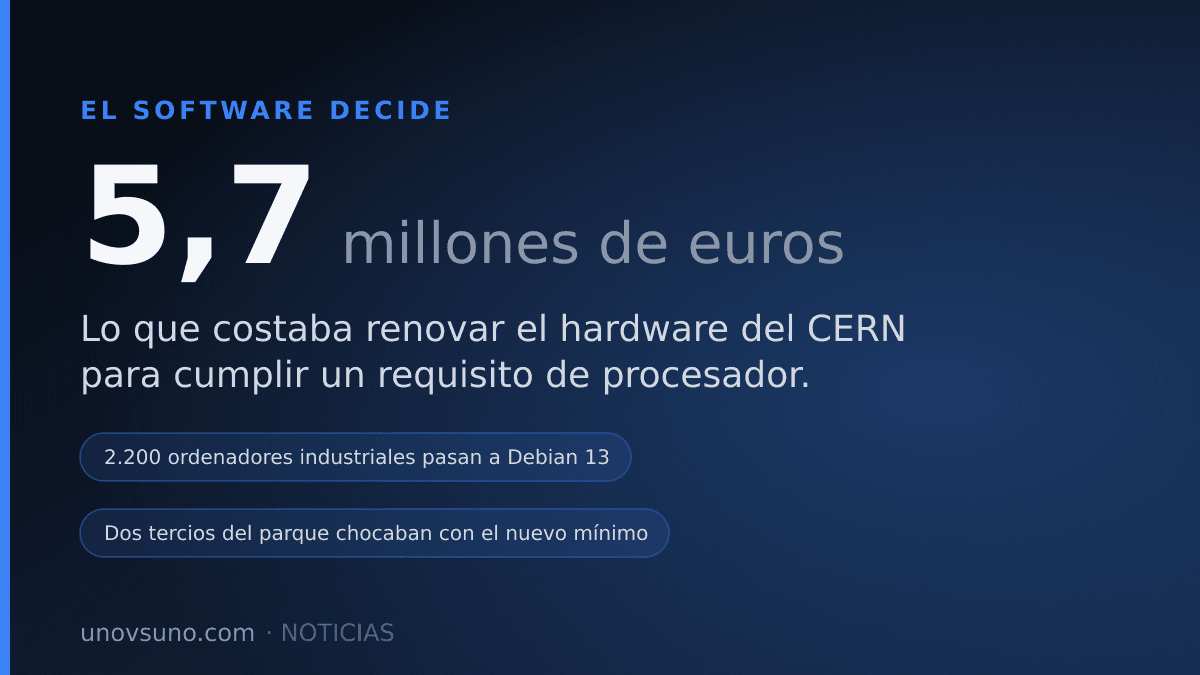
El CERN cambió de Linux para no tirar 2.200 ordenadores que funcionaban
Renovar el hardware costaba unos 5,7 millones de euros con un 20 % de probabilidad de éxito. Migrar a Debian 13 resolvía lo mismo. Suiza, en paralelo, saca Microsoft 365 de 3.000 equipos públicos.

Europa occidental ya lanza sus cohetes: el Spectrum llegó a órbita en siete minutos
Isar Aerospace, fundada en 2018 por tres estudiantes de Múnich, puso en órbita el primer lanzador totalmente comercial de Europa desde Noruega tras año y medio de intentos frustrados.
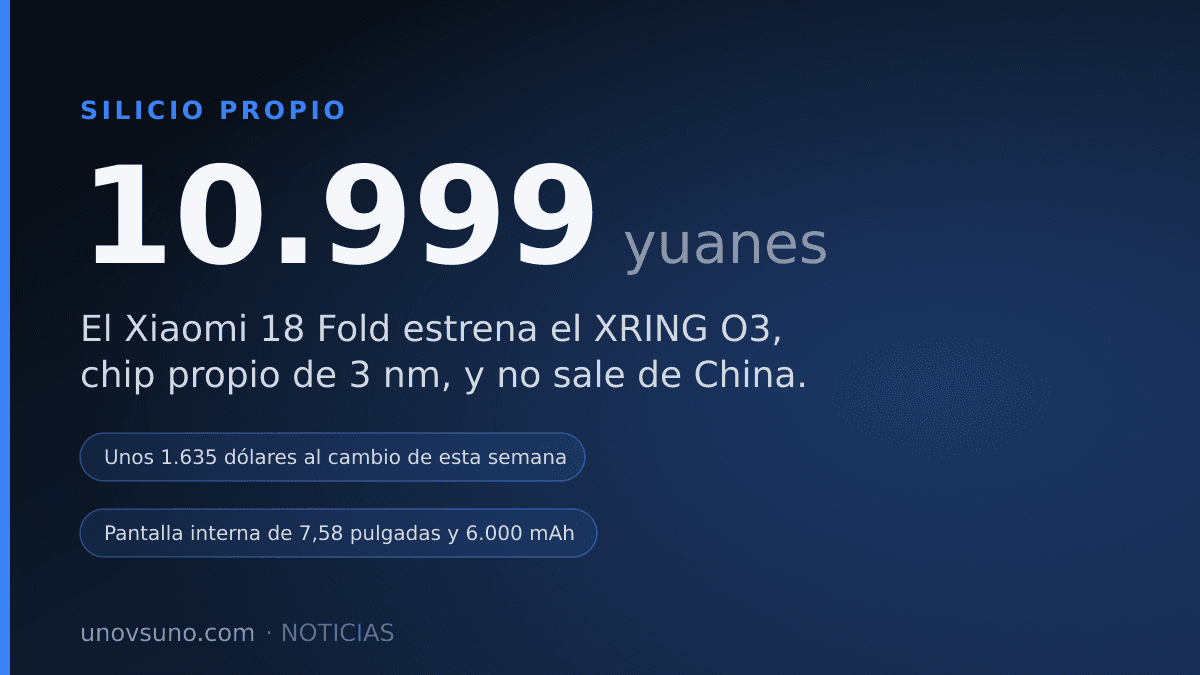
El plegable más caro de Xiaomi lleva un chip que diseñó Xiaomi, y no saldrá de China
El Xiaomi 18 Fold estrena el XRING O3, un procesador propio de 3 nanómetros fabricado por TSMC, y monta memoria de la china CXMT. Arranca en 10.999 yuanes.

La memoria de tu móvil pasó de 42 a 181 dólares en un año, y no hay arreglo hasta 2028
Counterpoint calcula que 16 GB de DRAM para smartphone subieron más de un 300 % en doce meses. Tres fabricantes controlan el 90 % del mercado y prefieren vender a los centros de datos de IA.